International expertise
Our people bring research and practice together.
ETiCA combines expertise in policing, psychology, criminal justice and human rights law. Our Directors are supported by an international Professional and Scientific Advisory Board of leaders in research and professional practice.
Leadership
ETiCA (Global) Directors
 United Kingdom
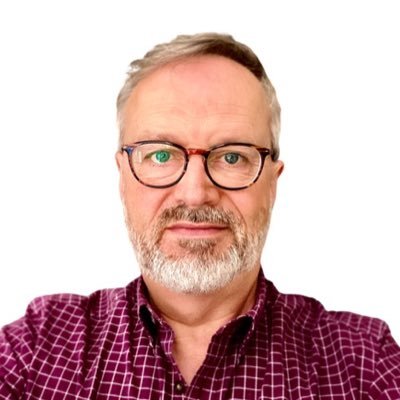
Professor Gavin Oxburgh
Registered forensic psychologist, expert witness and former senior RAF Police detective. Gavin’s work focuses on ethical investigative interviewing, international human rights, empathy, rapport and effective information retrieval.
View biography +
Professor Gavin Oxburgh
Registered forensic psychologist, expert witness and former senior RAF Police detective. Gavin’s work focuses on ethical investigative interviewing, international human rights, empathy, rapport and effective information retrieval.
View biography +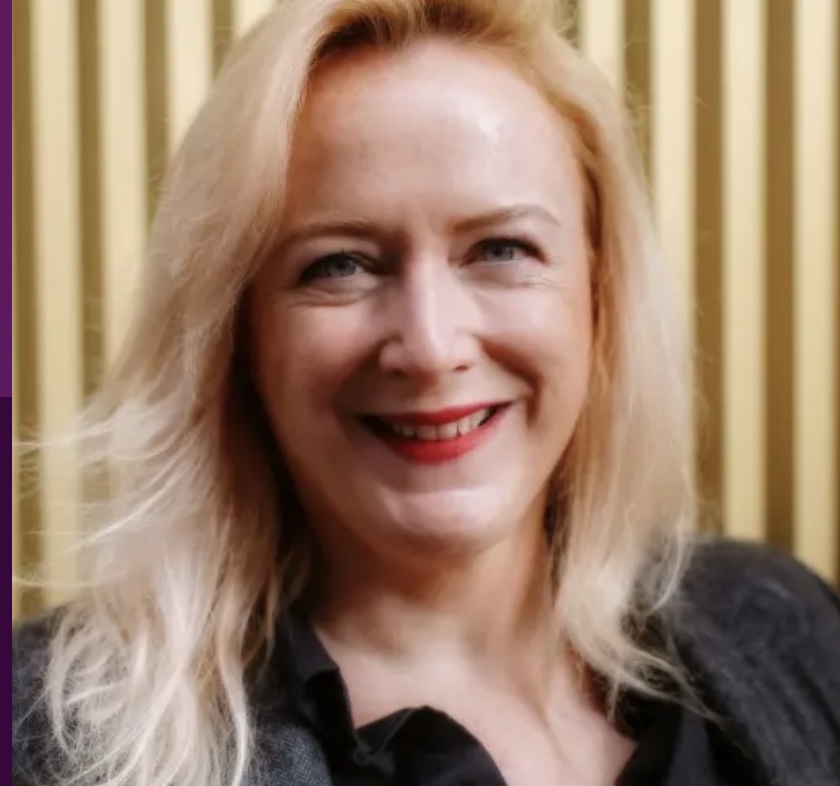 United Kingdom
Professor Lorraine Hope
Professor of Applied Cognitive Psychology at the University of Portsmouth, specialising in memory, information elicitation and the development of practical evidence-based interviewing tools.
View biography +
Professor Lorraine Hope
Professor of Applied Cognitive Psychology at the University of Portsmouth, specialising in memory, information elicitation and the development of practical evidence-based interviewing tools.
View biography +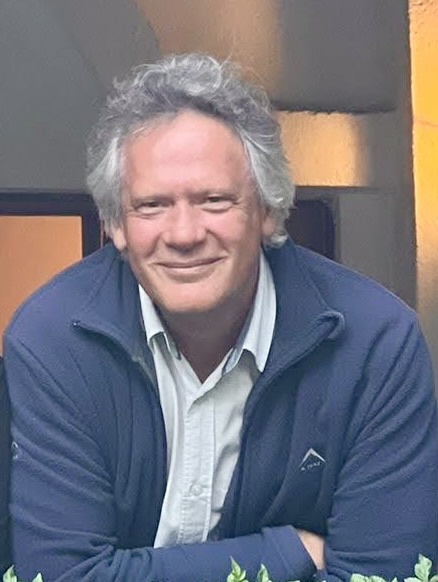 South Africa
Sean Tait
Founder and Executive Director of the African Policing Civilian Oversight Forum, with extensive expertise in police governance, accountability, security-sector reform and human rights across Africa.
View biography +
Sean Tait
Founder and Executive Director of the African Policing Civilian Oversight Forum, with extensive expertise in police governance, accountability, security-sector reform and human rights across Africa.
View biography +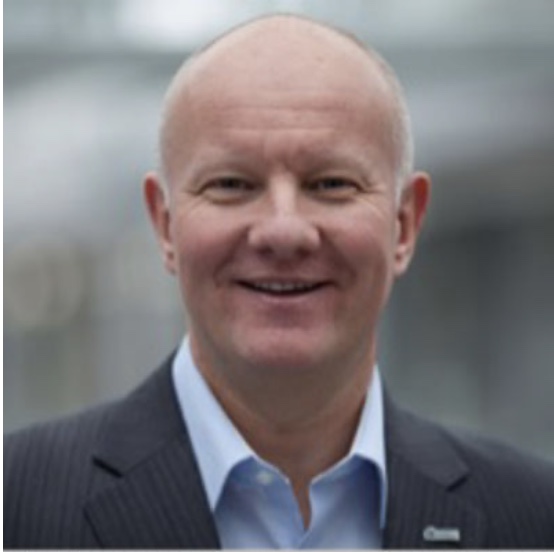 Norway
Trond Myklebust
Assistant Chief of Police at the Norwegian Police University College and an internationally recognised leader in investigative practice, police education and evidence-based interviewing.
View biography +
Trond Myklebust
Assistant Chief of Police at the Norwegian Police University College and an internationally recognised leader in investigative practice, police education and evidence-based interviewing.
View biography +Independent expertise
Professional & Scientific Advisory Board
The PSAB brings together respected international leaders across interviewing, psychology, policing, law, human rights and organisational practice.
 United Kingdom
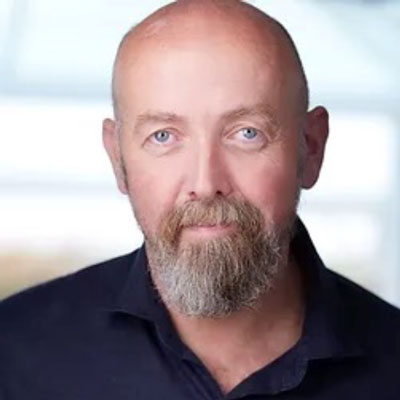
Professor Laurence Alison MBE
View biography +
Professor Laurence Alison MBE
View biography +Professor Alison focuses on high-profile critical and major incidents (from disaster management to terrorism) and has over 28 years of experience working on applied projects for law enforcement and the security services. He currently provides training to the USA’s FBI/CIA/DoD, The UK’s National Counter Terrorism interviewing cadre, and the British Army in the ORBIT framework for rapport-based interrogation methods.
He was the key psychological advisor on over 450 critical and major incidents debriefs, including the 7/7 bombings, the Sharm El Sheik attacks, the poisoning of Alexander Litvinenko, and the preparations for the London Olympics.
He has over 200 published articles, books, edited books and government and industry reports and was awarded an MBE in the Queen’s New Year Honours list 2020 for services to critical incident handling and to the NHS during COVID-19.
 Colombia
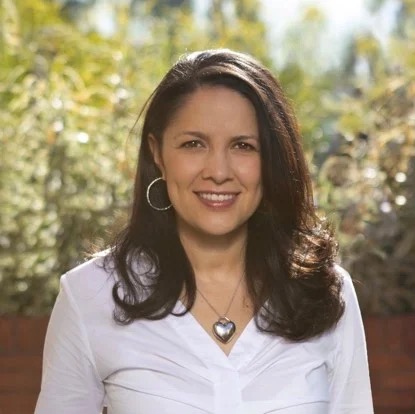
Verónica Hinestroza Arenas
View biography +
Verónica Hinestroza Arenas
View biography +Verónica Hinestroza Arenas is an independent consultant and advisor with over 22 years of experience in international human rights law. Her primary focus is on documenting and investigating grave human rights violations, particularly torture and ill-treatment, enforced disappearances, and arbitrary killings.
Her strength is bridging the gap between international human rights law and standards and criminal law at the domestic level. Shortlisted for the UN Special Rapporteur mandate on torture in 2022, Verónica was part of the Steering Committee that developed the Méndez Principles on Effective Interviewing for Investigations and Information Gathering, chaired the Committee on Purposes and Principles of the Esperanza Protocol on Threats Against Human Rights Defenders, and served on the Working Group updating the Istanbul Protocol: UN Manual on the Effective Investigation and Documentation of Torture and other Cruel, Inhuman or Degrading Treatment or Punishment.
She has led training programs for legal professionals and others across multiple continents and is a certified Justice Rapid Response Expert.
Verónica holds an LLM in International Human Rights Law (Essex), an MA in Politics of Alternative Development (ISS), and a BA in Government and International Relations (Externado de Colombia).
 Italy and Norway
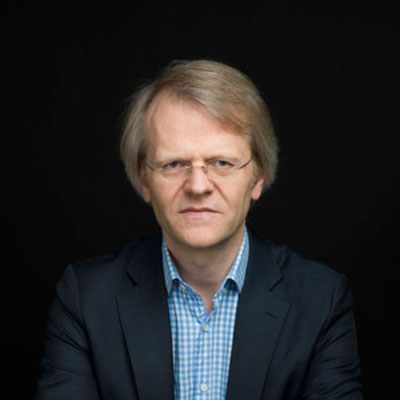
Morten Bergsmo
View biography +
Morten Bergsmo
View biography +Morten is a European international lawyer and the Director of the Centre for International Law Research and Policy (CILRAP). He has served as an academic in China, Europe, and North America, and has authored and edited more than 100 academic publications, including 30 books.
He has practised as Special Adviser to the Office of the Director of Public Prosecution of Norway (2007-08); Senior Legal Adviser and Chief of Legal Advisory Section, Office of the Prosecutor of the International Criminal Court (ICC) (2002-05); Co-ordinator of the establishment of the ICC Office of the Prosecutor (2002-03); Legal Adviser, International Criminal Tribunal for the former Yugoslavia (ICTY) (1994-2002); and Legal Adviser, UN Commission of Experts for the Former Yugoslavia established pursuant to Security Council resolution 780 (1992) (1993-94). He represented the ICTY to the UN negotiation process to establish the ICC (1996-2002), and has extensive multilateral and international organizations experience. He has advised peace processes, the European Commission, several governments, and the Nobel Committee.
Throughout his career, he has pioneered the equalisation of access to international law.
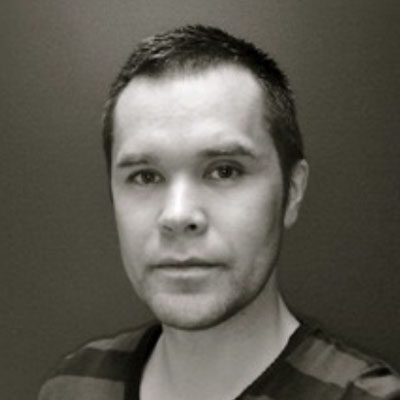 Norway
Cato Bjørkli
View biography +
Cato Bjørkli
View biography +Cato holds the position of associate professor at the Department of Psychology, University of Oslo. He gained his certification as a Clinical Psychologist (cand.psychol) at the Norwegian University of Technology and Science, Trondheim, Norway in 2003, and proceeded to achieve a PhD in Work and Organisational Psychology at the same university in 2006.
Cato joined the Department of Psychology (PSI) at the University of Oslo, Norway (UiO) in 2007 as an Associate Professor. He served as Head of the Work and Organisational Psychology group between 2010 and 2011 and has been active within the field in a range of research and industrial projects. He is currently teaching in Human Factors courses and provides education and supervision for students in the honours program at UiO.
Cato has supervised over 40 master theses and four PhD candidates.
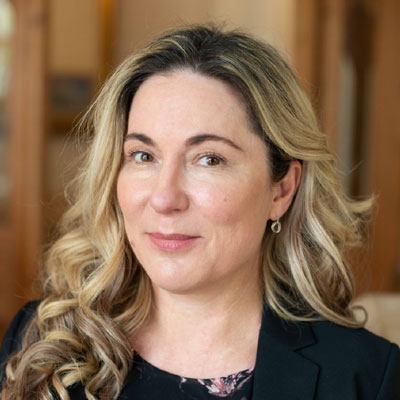 United Kingdom
Professor Heather Flowe
View biography +
Professor Heather Flowe
View biography +Heather is a Professor of Psychology at the University of Birmingham (UoB), UK. She researches episodic memory, particularly memory for traumatic events, such as sexual offences, using both experimental and applied approaches.
Most of her work focuses on memory retrieval in police interviews and line-ups. She develops memory enhancing, broad reach, low-cost procedures (eg 3D interactive line-ups) that are integrated into legal systems around the world.
In 2019, she received a British Academy Midcareer Fellowship Award to study memory reporting in rape. Heather leads UoB’s Gender Equality Theme at the Institute for Global Innovation, is Co-Director of the Centre for Crime, Justice, and Policing, is the Director of Global Engagement for the College of Life and Environmental Sciences, and is a member of the UoB executive. She is PI for three UKRI networks, including the Rights for Time Research Network, which supports interdisciplinary research on humanitarian protection challenges, the UK-South Korea Eyewitness Memory Network, and the UN Rights for Time Peace and Trust Network.
Heather is a member of the ESRC Grant Assessment Panel (Panel A), and an Academic Advisor to the West Midlands Police and Crime Commissioner, among other roles.
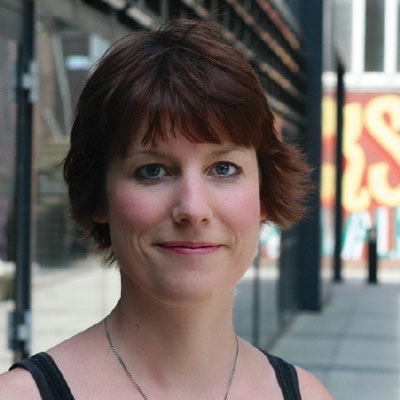 United Kingdom
Professor Fiona Gabbert
View biography +
Professor Fiona Gabbert
View biography +Fiona is a Professor of Applied Psychology, and Director of the Forensic Psychology Unit at Goldsmiths University of London. Her research in the fields of suggestibility of memory and investigative interviewing has a strong focus on improving the usability, credibility, and reliability of evidence from witnesses.
Her work has had an international impact on operational procedure and policy, including the introduction of new evidence-based investigative interview tools and training resources to the field such as the Self-Administered Interview, the Structured Interview Protocol, and the Timeline Technique.
Fiona regularly works as a collaborator and consultant with practitioners and policy makers to develop and embed effective investigative interview practice. Recent projects include working with the College of Policing (UK) to develop new Authorised Professional Practice interview guidelines for UK frontline officers tasked with eliciting initial accounts from victims and witnesses. Also, contributing to the drafting of the recently launched Revised Istanbul Protocol, 2022. Last, working as part of an International Advisory Council co-ordinated by the Association on the Prevention of Torture (APT) to produce universal standards for non-coercive interviewing and procedural safeguards.
Fiona’s work has been recognised by awards for Academic Excellence, Mid-Career Excellence, and Public Engagement.
 United Kingdom
Professor Gisli Hannes Gudjonsson CBE
View biography +
Professor Gisli Hannes Gudjonsson CBE
View biography +Gisli Hannes Gudjonsson is an Emeritus Professor of Forensic Psychology at the Institute of Psychiatry, Psychology & Neuroscience, King’s College London. Prior to his retirement from King’s College in January 2012, he was the Head of Clinical Forensic Psychology Services for the Lambeth Forensic Services and Medium Secure Unit at the South London and Maudsley NHS Trust (SLaM).
Professor Gudjonsson is a Fellow of the British Psychological Society and a registered practitioner (clinical and forensic) with the United Kingdom Health Care Professions Council (HCPC). He pioneered the empirical measurement of interrogative suggestibility and has published extensively in the areas of psychological vulnerabilities, false confessions, and police interviewing. He has published almost 400 peer reviewed articles, a dozen books (three as sole author), and about 70 book chapters. In addition, he produced two influential research reports for the Royal Commission on Criminal Justice and has provided expert evaluation in over 1,000 criminal cases internationally.
He has been awarded three Lifetime Achievement Awards and was appointed a Commander of the Order of the British Empire (CBE) in the Queen’s Birthday 2011 Honours List for services to clinical psychology.
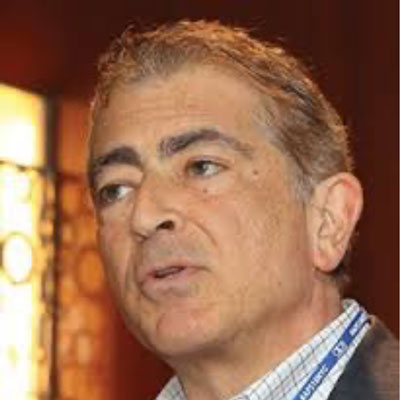
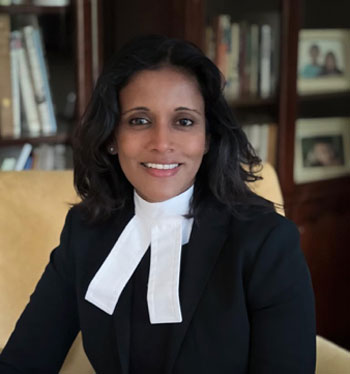 Kenya
KenyaShamini Jayanathan
View biography +
Shamini Jayanathan
View biography +Shamini is a criminal barrister and associate tenant of Foundry Chambers in London. She is also the Director of Arcturus Consultancy Ltd. based in Kenya. Focusing on organized crime, her initiatives in capacity building and criminal justice reform are being replicated globally. She has supported prosecution and judicial authorities all over Africa in identifying surgical solutions to criminal justice challenges that have impacted the entire criminal justice pathway. Working with investigative authorities she is spearheading initiatives such as the use of video-recorded testimony and digital recording of police interview of suspects in East Africa.
 USA
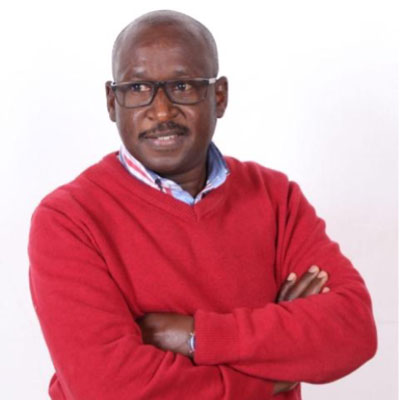
USASaul Kassin
View biography +
Saul Kassin
View biography +Saul is a Distinguished Professor of Psychology at John Jay College of Criminal Justice in New York and Massachusetts Professor Emeritus at Williams College, in Williamstown, MA.
He is author of Psychology (Prentice Hall, 4th edition) and Psychology in Modules (Pearson Custom Publishing). Along with Steven Fein and Hazel Markus, he is also lead author of Social Psychology (11th edition), published by Cengage Learning. He has published numerous research articles and book chapters, has co-authored or edited various scholarly books, and is the lead author on the Official APA White Paper on false confessions.
He has appeared as an analyst on CBS, NBC, ABC, CNN, and various syndicated news shows, and in several documentaries – most notably, the 2012 film, The Central Park Five. In the 1980s, he pioneered the scientific study of false confessions by introducing a taxonomy that distinguished between three types of false confessions (voluntary, compliant, and internalised) that is universally accepted today and by devising laboratory paradigms to test why innocent people are targeted for interrogation and why they confess.
Interested in matters of policy and reform, his recent research on the video recording of interrogations was funded by the National Science foundation.
 East Africa
Peter Kiama
View biography +
Peter Kiama
View biography +Peter is an Executive Director within the Independent Medico-Legal Unit (IMLU) with over 29 years’ experience in strategic leadership and management, corporate governance, organisational development, governance and human rights, advocacy, and grassroots organising.
He has been with IMLU since 2011 with the main responsibility of strategically repositioning the organisation for greater impact beyond a victim-support institution to one that has greater impact, at the policy and legislative reform level and as a catalyst of a people-based movement for change. He joined IMLU from Trocaire Kenya, the Overseas Development Agency of the Irish Bishops Conference where he worked as a Senior Programme Officer. He has also worked at the Kenya Human Rights Commission as a Senior Programme Officer in Charge of human rights organising nationally, and Catholic Diocese of Lodwar Justice and Peace Commission as the Programme Coordinator.
He has spearheaded many successful collaborative interventions, including in security sector and criminal justice reforms in Kenya and the region. He is currently a member of various corporate boards including Trocaire, Legal Resources Foundation, Vice Chair of Haki Yetu Organisation, Secretary General of the East African Civil Society Organisation Forum (EACSOF), and a member of the Kenya Victims Protection Board.
 Kenya
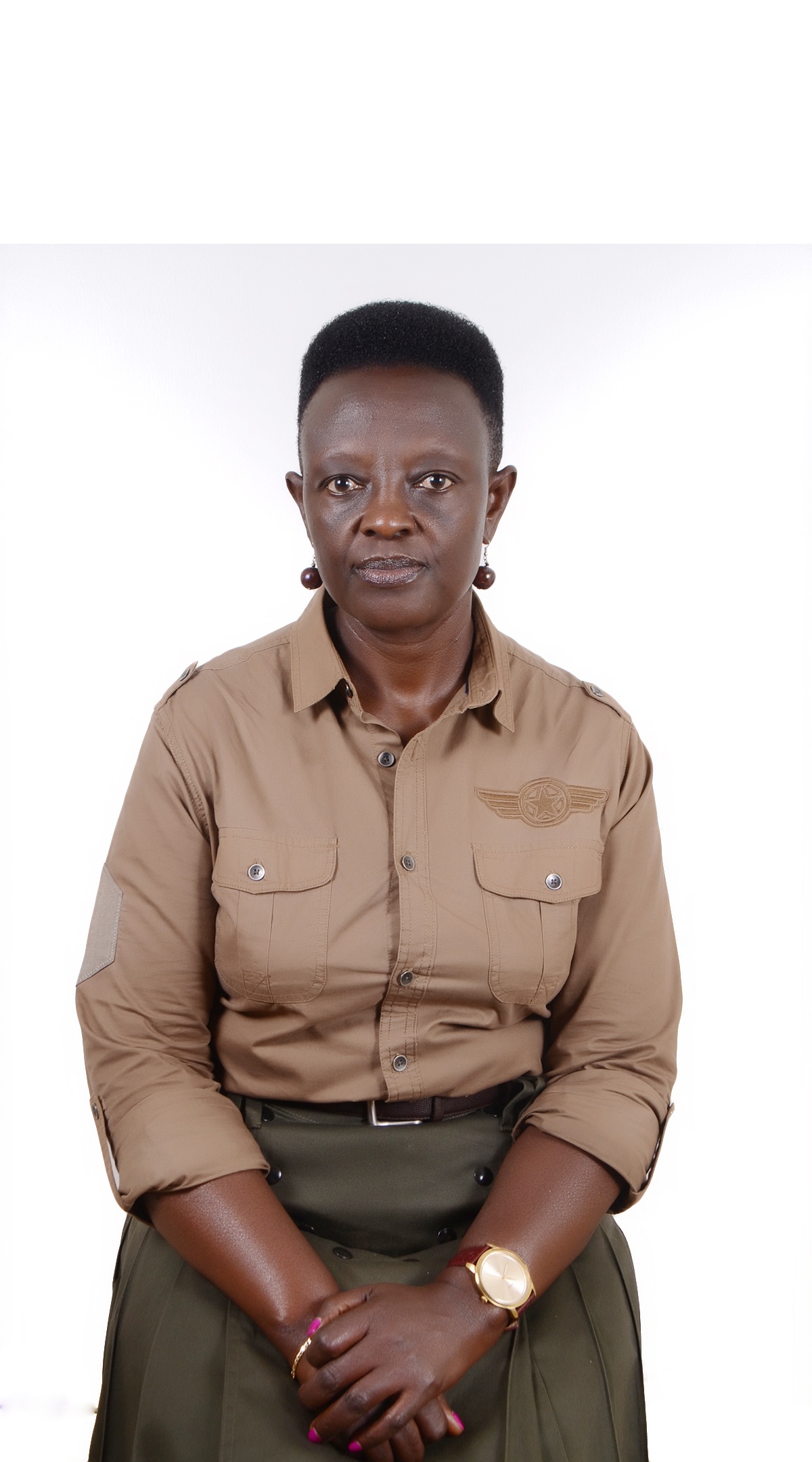
KenyaDinah Kyasiimire
View biography +
Dinah Kyasiimire
View biography +Dinah Kyasiimire is a Police Commissioner (CP) serving in the Uganda Police Force (UPF). She joined the Force in 2001 as a Cadet Assistant Superintendent of Police and she has gone through ranks. She holds a Bachelor of Laws degree (LLB) from Makerere University in Uganda, and a Diploma in Legal Practice from the Law Development Center-Uganda.
In her years of policing, she has served in different capacities at national and international level. At a national level she has worked as legal advisor to the Force and also headed different departments, i.e Department of Human Rights, responsible for receiving and investigating complaints from the public. Department of Legal Drafts and Amendments, responsible for Initiating, Police related legislation, and guiding the Police disciplinary process. She is also a trainer.
At international level she has served in different capacities. She served as the Head of Police Component at the Eastern Africa Standby Force, Nairobi- Kenya where she was responsible for training and preparing Police Pledged capabilities for deployment in Peace Support Operations, and Peacekeeping. She also served in two Peacekeeping missions UNMIS and UNAMID where she served as a trainer, Gender and Child protection officer as well as a Team site Commander.
 USA
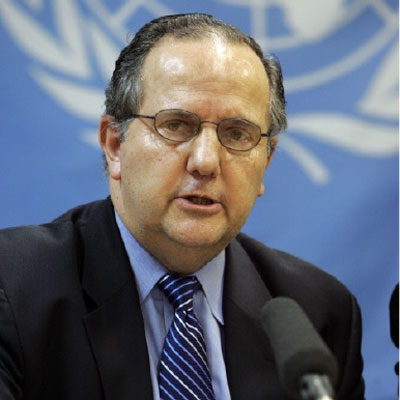
USAJuan E Méndez
View biography +
Juan E Méndez
View biography +Juan E Méndez is a Professor of Human Rights Law in Residence at the American University – Washington College of Law, where he is Faculty Director of the Anti-Torture Initiative, a project of WCL’s Center for Human Rights and Humanitarian Law.
He is a member of the three-person International Independent Expert Mechanism on Racial Justice and Law Enforcement, appointed by the UN Human Rights Council in December 2021. He was a member of the International Group of Independent Experts (GIEI) that investigated the acts of violence in Bolivia between September and December of 2019. In July 2020 Mr. Mendez started a three-year term as a member of the Board of Trustees of the UN Voluntary Fund for the Victims of Torture. He was the UN Special Rapporteur on Torture and Other Cruel, Inhuman and Degrading Treatment or Punishment between November 1, 2010 and October 31, 2016.
The Honorable Kofi Annan named Mr. Méndez his Special Advisor on the Prevention of Genocide, a task he performed from 2004 to 2007. Between 2000 and 2003 he was a member of the Inter-American Commission on Human Rights of the Organization of American States and served as its President in 2002.
 USA
USAProfessor Christian Meissner
View biography +
Professor Christian Meissner
View biography +Christian is Professor of Psychology at Iowa State University. He holds a PhD in Cognitive and Behavioral Science from Florida State University (2001) and conducts empirical studies on the psychological processes underlying investigative interviews – including issues surrounding eyewitness recall and identification, credibility assessment, and investigative interviews of suspects and (false) confessions.
He has published more than 120 peer-reviewed journal articles, book chapters, and edited volumes, and has received more than $19 million in grant funding from such agencies as the National Science Foundation, the US Departments of Defense, Justice, and Homeland Security, and the US Intelligence Community.
Chris’s research contributions to interviewing and interrogation practice have been recognised by organisations such as the American Psychology-Law Society (Div. 41 of the American Psychological Association), the International Investigative Interviewing Research Group, and the Federal Bureau of Investigation.
He is an elected Fellow of the Association for Psychological Science, the American Psychological Association, and the Psychonomic Society. Chris served as a member of the drafting committee for the Mendez Principles, and has both developed, and provided training on, science-based investigative interviewing practices for US federal, state, and local law enforcement, as well as military and intelligence community personnel.
 USA
USAMark Fallon
View biography +
Mark Fallon
View biography +Mark Fallon is a globally recognized expert in interrogation, counterterrorism, and national security, with over 30 years of experience in federal law enforcement, counterintelligence and counterterrorism in the United States. He is the Founder/Director of ClubFed, LLC, a strategic consultancy focused on ethical leadership, evidence-based policing, and interview and interrogation strategies and practices based on law, science, and ethics.
Mr. Fallon consults as an expert witness and is also a Strategic Advisor to iRecord; a member of the Advisory Council at the Center for Ethics and the Rule of Law (CERL) at the University of Pennsylvania; Co-Founder of Project Aletheia, a program focused on bridging the gap between the science and practice of interrogation at John Jay College of Criminal Justice; and is on the Advisory Board of ETiCA Global.
Mr. Fallon was a member of the Senior Executive Service, and leadership positions included serving as Assistant Director of the Federal Law Enforcement Training Center (FLETC); Deputy Assistant Director for Counterterrorism at the Naval Criminal Investigative Service (NCIS); and Chief of Counterintelligence Operations across Europe, Africa, and the Middle East. He was the NCIS commander of the USS Cole Task Force (DDG-67) and Deputy Commander of the Pentagon’s post-9/11 task force overseeing terrorism investigations for prosecution before Military Commissions.
A strong advocate for ethical, science-based interrogation, Mr. Fallon was appointed to the Steering Committee of the Méndez Principles on Effective Interviewing for Investigations and Information Gathering. He is a Past-Chair of the International Association of Chiefs of Police (IACP) International Managers of Police Academy and College Training (IMPACT) Section; and is Past-Chair of the High-Value Detainee Interrogation Group (HIG) Research Committee. He is a consistent voice against torture and a leader in advancing rapport-based methods of effective interviewing worldwide.
Mr. Fallon is the author of Unjustifiable Means and co-editor of Interrogation and Torture (Oxford, 2020), Interviewing and Interrogation (TOAEP, 2023), and contributor in The Psychology of Criminal Investigations (Routledge, 2018) and International Handbook of Policing Crisis and Emergencies (Routledge, 2024). He has appeared in Turning Point: 9/11 and the Global War on Terror (Netflix), Eminent Monsters (Prime), The Interrogation Tapes (ABC News’ 20/20,) and more. His work on cases like September 11th attacks, the USS Cole bombing, and prosecution of Sheikh Omar Abdel Rahman exemplifies his commitment to justice, human rights, and the rule of law.
 United Kingdom
Andra Nicolescu
View biography +
Andra Nicolescu
View biography +Andra is an international human rights lawyer with experience in the fields of civil and political rights, torture prevention, criminal justice and law enforcement, and transitional justice. Her legal, policy, and advocacy work features an extensive focus on gender-based violence, children’s rights, sexual and reproductive rights, human rights and health, and non-discrimination. She is the former Assistant Director of the Anti-Torture Initiative at the American University Washington College of Law, in which capacity she supported the mandate of former UN Special Rapporteur on Torture Juan E. Méndez, and she has held positions across various organizations, including the International Commission of Jurists, the Association for the Prevention of Torture, the European Commission, the US House of Representatives, and INTERIGHTS.
Andra has conducted or participated in dozens of fact-finding, documentation, training, and advocacy missions around the world, and served as a member of the Drafting and Coordination groups for the development of the Méndez Principles on Effective Interviewing for Investigations and Information-Gathering, and as a contributor to the International Law Working Group for the revision process of the Istanbul Protocol.
 United Kingdom
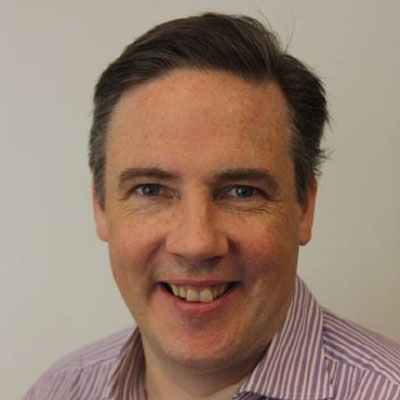
Emma Norton
View biography +
Emma Norton
View biography +The Centre for Military Justice (CMJ) is a charity providing legal advice and assistance to service personnel (or their bereaved families) that have suffered serious sexual harassment, sexual violence, racism or other abuse. It was set up by lawyer, Emma Norton who is the former head of the legal team at the human rights organisation Liberty, where she worked for ten years.
The CMJ acted for three rape survivors in 2021 that successfully challenged the Secretary of State for Defence’s handling of an independent review of the military justice system’s recommendations concerning rape and sexual assault cases; and a Naval veteran who successfully challenged the Ministry of Defence’s exemption from the provisions in the Equality Act that allowed them to discriminate against disabled people.
Emma also acted for the families of three of the young trainees who died at Deepcut barracks in Surrey in 1995; the family of the late Cpl Anne-Marie Ellement who died after reporting rape and bullying in the Army; and Joe Ousalice, the LGBT veteran who successfully challenged the MoD’s refusal to restore his Long Service and Good Conduct medal after he was thrown out of the Navy because of his sexuality.
 Ireland
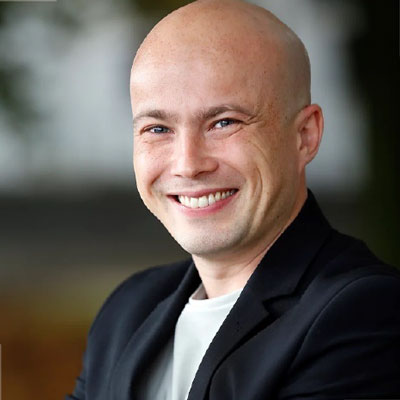
Professor Shane O’Mara
View biography +
Professor Shane O’Mara
View biography +Shane is Professor of Experimental Brain Research at Trinity College, Dublin (the University of Dublin). He is a psychologist, neuroscientist, and writer. A graduate of the National University of Ireland, Galway (BA, MA), and of Oxford University (DPhil/PhD), he is a Fellow of the Association for Psychological Science, and an elected Member of the Royal Irish Academy.
His research interests focus on functions ‘within the brain’ (eg memory, stress and depression) and on the ‘brain in the world’ (using a ‘brain’s-eye view’ lens on social, cultural, and policy issues).
He has published more than 150 scientific papers and books, including many works on the neuroscience of interrogation and torture. His books include ‘Why Torture Doesn’t Work: The Neuroscience of Interrogation’ (2015) and ‘In Praise of Walking’ (chosen by the editors at Amazon.com as one of the best science books of 2020; widely translated). His next book is tentatively entitled ‘SHARING WHAT WE KNOW: How conversation shapes us, our societies, nations, and our world’ (to be published in 2023 by The Bodley Head/PenguinRandomHouse). He publishes a very popular, regular, newsletter at brainpizza.substack.com.
 The Netherlands
Professor Henry Otgaar
View biography +
Professor Henry Otgaar
View biography +Henry is a Professor of Legal Psychology at the Faculty of Psychology and Neuroscience, Maastricht University and a research professor (legal psychology) at the Faculty of Law and Criminology, KU Leuven.
His research focuses on developmental changes in memory relating to statements in eyewitnesses, victims, and perpetrators from childhood to adulthood. He is interested in factors (eg trauma) that relate to the development of memory illusions. He has a strong interest in biases and legal decision-making and how biases can affect expert witness work. He collaborates with research groups across the world including the UK, Europe, Canada, Australia, Chile, North America and Indonesia.
He has received many grants and prizes for his work and has disseminated his research extensively to psychologists, students, and practitioners. He has often cooperated in legal cases involving (child) witnesses which has attracted national and international media attention. He also works for the Maastricht Forensic Institute as an expert witness and is a member of the Landelijke Expertisegroep Bijzondere Zedenzaken and the College voor Toetsing en Advies of the Landelijke Deskundigheidsmakelaar. These committees fall under the National Police and in these committees, legal cases and expert witness work are discussed.
 USA
USAAlka Pradhan
View biography +
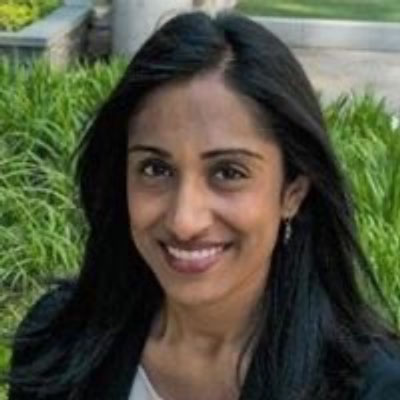
Alka Pradhan
View biography +Alka Pradhan is an expert on the application of human rights and humanitarian law to counterterrorism policies, and the impact of torture on fair trials. She is currently Human Rights Counsel at the Guantanamo Bay Military Commissions, representing one of the defendants in the capital case of United States v. Khalid Sheikh Mohammad (the “9/11 case”); and Associate Counsel for the Defence in the Al Hassan case before the International Criminal Court.
Alka was previously Counter-Terrorism Counsel at Reprieve US, where she represented a number of Guantanamo Bay detainees in litigation involving habeas corpus claims and conditions of detention. She also conducted advocacy and litigation on behalf of civilian victims of the targeted killing (drone) program in Yemen and Pakistan. She has also advised the US government on compliance with international legal obligations, and has worked closely with members of the UK and European Parliaments on official investigations into torture and war crimes.
Ms Pradhan was a member of the Drafting Group of Experts for the Principles on Effective Interviewing (The Méndez Principles). Her work has been profiled by the New York Times Magazine, in the documentary “The Trial,” and in several books about Guantanamo Bay.
 USA
USARebecca Schaeffer
View biography +
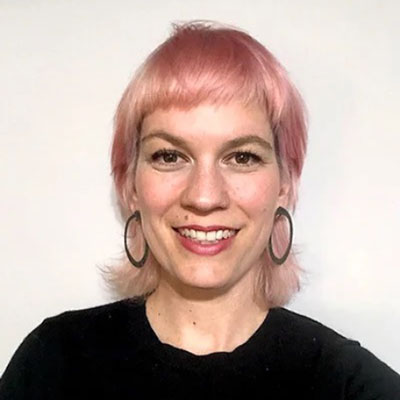
Rebecca Schaeffer
View biography +As Legal Director for the Americas, Rebecca synthesises and translates learning from European and global justice movements to support reform efforts in the USA and Latin America, and leads advocacy in the USA.
She is the lead author of recent reports on comparative practice in pre-trial detention decision making, global plea bargaining, and access to a lawyer in police custody.
She sits on the Steering Committee for an International Protocol on Non-Coercive Investigative Interviewing, led by former UN Special Rapporteur Juan Mendez, and on the American Bar Association Criminal Justice Section’s plea bargaining task force.
 Norway
John Stamnes
View biography +
John Stamnes
View biography +John has filled different posts and has extensive experience within the Norwegian Police. He currently holds the position as Assistant Chief of Police at the Police National Immigration Service. He has managed several large investigations and international police operations, both nationally and internationally.
Together with the International Centre for Missing and Exploited Children, John established the Computer Facilitated Crimes against Children Induction Training – the training courses still runs around the world today, enhancing international cooperation on cyber related crimes against children.
He was further responsible for The Interpol Specialist Group on Crimes against Children and was instrumental in establishing the Norwegian Online Child Sexual Abuse unit, introducing new legislation and methods within the police.
He has been the Chair of the Baltic Sea Task force, the victim identification group and the trafficking in women and children working party at Interpol. He has conducted the management training within the Norwegian Police and also a High Performance Management Course, lastly as Norway’s participant in the Pearls in Policing management development program.
 Switzerland
Mark Thomson CMG OBE
View biography +
Mark Thomson CMG OBE
View biography +Mark was educated in Fiji and England (Grenville College, University of Essex, University College London) and is an experienced international human rights defender and expert in the prevention of torture.
He was the co-chair of the cross regional expert driven process to draft and adopt (in 2021) the ‘Principles on Effective Interviewing for Investigations and Information Gathering’. He is the former Secretary General of the Association for the Prevention of Torture (2001-2018) and lead actor in the adoption and international implementation of the Optional Protocol to the Convention against Torture (OPCAT). Successful advocate for the drafting and adoption of the UN Declaration on Human Rights Defenders and the creation of a related Special Mechanism.
Mark is a promoter of national solutions to strengthen the rule of law based on international human rights norms and is former staff of: Amnesty International, International Service for Human Rights, World University Service, Tower Hamlets International Solidarity, and the Nicaragua Solidarity Campaign.
 United Kingdom
Professor Aldert Vrij
View biography +
Professor Aldert Vrij
View biography +Aldert Vrij is Professor of Applied Social Psychology, University of Portsmouth (UK). His main research interest is deception, resulting in more than 600 publications, which have been widely cited (> 28,000 citations and H-index 83).
He received grants from British Research Councils, Trusts and Foundations, Insurers, Federal Bureau of Investigation, High value detainee Interrogation Group, and American, British, Dutch, and Singapore Governments, totalling > $11,500,000. He works closely with practitioners (police, security services and insurers) in terms of conducting research and disseminating its findings.
His 2008 book Detecting lies and deceit: Pitfalls and opportunities is a comprehensive overview of research into (non)verbal and physiological deception and lie detection. An overview article of 100 years deception research published in 2022 (doi: 10.1002/acp.3971) showed that Vrij has the most publications and the most citations in the field.
In 2016 he received the International Investigative Interviewing Research Group (iiiRG) Lifetime Achievement Award in recognition of his significant contribution to investigative interviewing.
 United Kingdom and USA
Susan Walton
View biography +
Susan Walton
View biography +Susan is a senior finance and media executive with over 25 years of experience running the global institutional investment research franchises of top-tier investment banks in London, New York and Hong Kong.
She is an investor and entrepreneur, founding a number of start-ups in the technology and digital media space. She also serves as a board member and senior advisor to leading think-thanks, universities, cultural institutes, social enterprises and charities. She was educated at Harvard University, USA, London Business School and University College London.
 United Kingdom
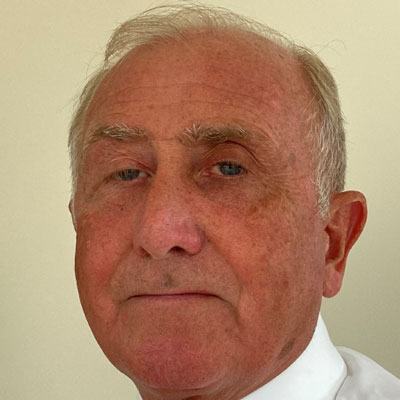
Carl Watling MBE
View biography +
Carl Watling MBE
View biography +Carl is a veteran of the Royal Air Force (RAF) Police where he was a Senior Investigating Officer (SIO) in the Special Investigation Branch, serving across Europe and the UK. He served for 37 years in the regular Force and six years in the Reserve Auxiliary Force.
His expertise was in forensic science and he was appointed head of scientific support in his early career; in this role he developed and introduced the technique of Drug Detection in Hair into the UK Criminal Justice System. He then served as a Staff Officer in Policing Policy and Research, before taking the role as a Senior Investigating Officer. His final years in the Regular Force were spent in the Professional Standards Department responsible for the investigation of allegations made against Service Police officers.
He is now retired, but maintains an active role in the development of policing techniques and procedures. He sits on the Advisory Board of the UK’s Centre for Military Justice.
 Brazil
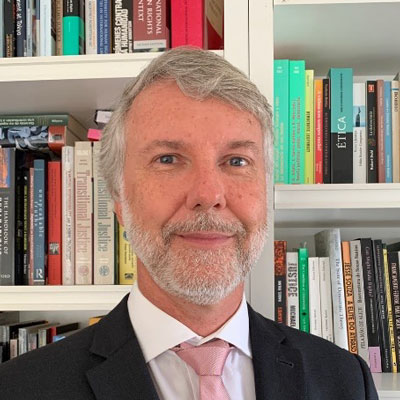
Marlon Alberto Weichert
View biography +
Marlon Alberto Weichert
View biography +Marlon Weichert has been a Federal Prosecutor in Brazil since 1995. Weichert has worked on various issues, from anti-corruption to human rights cases in criminal and civil fields. With a strong trajectory on transitional justice initiatives, he was responsible for investigations and prosecutions regarding crimes against humanity committed during the Brazilian dictatorship. From 2013 until 2017, Weichert was a member of the Federal Reparation Commission (the Amnesty Commission).
Weichert served for four years (2016-2020) as Deputy Federal Ombudsman at the Federal Prosecutor’s Office for the Rights of the Citizen (PFDC, in its Brazilian initials). He coordinated the Office activities on mass atrocity prevention, transitional justice, public security, and business and human rights.
In 2020/2021, Mr Weichert was a member of the Interdisciplinary Group of Independent Experts (GIEI) for Bolivia, created to investigate the country’s violent events and human rights violations from September to December 2019, under an agreement signed by the Inter-American Commission on Human Rights and the State.
Mr Weichert holds an MA degree in Public Law and was a researcher at the New York University School of Law – Hauser Global Fellows Program. He has authored more than 40 publications on human rights and transitional justice.